WORDS THAT CHANGED A NATION
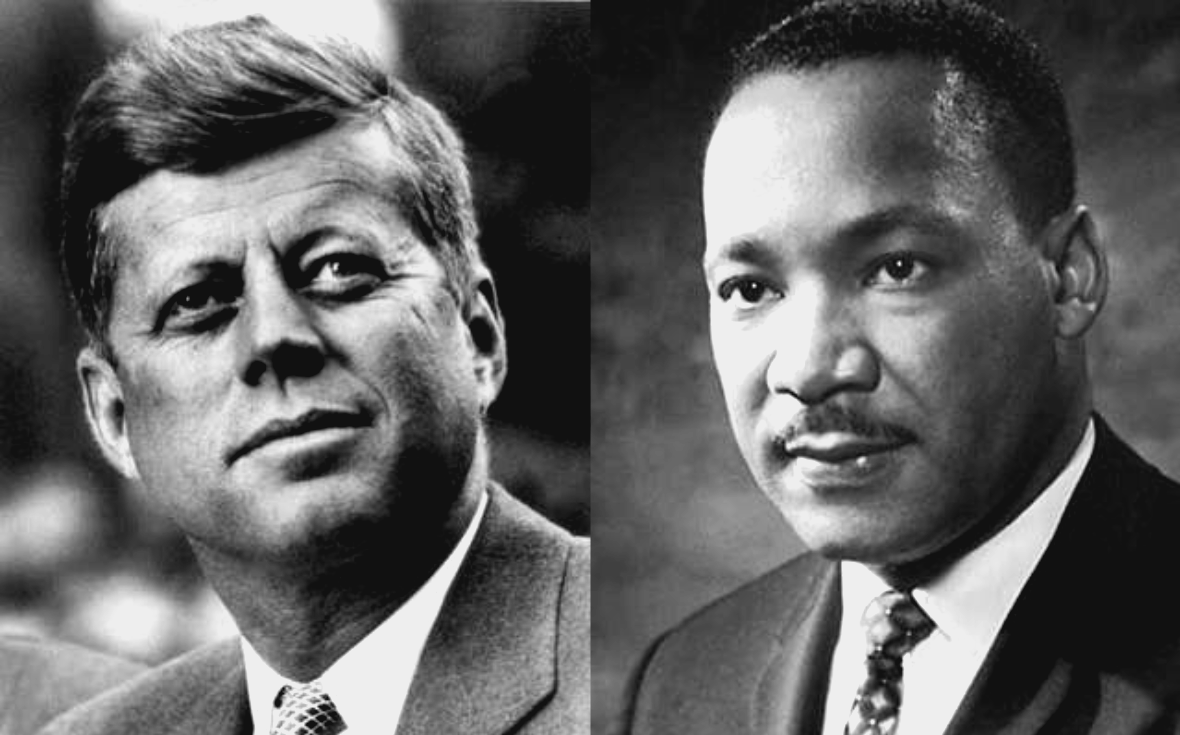
A critical analysis of oratory, identity and historical context in the speeches of Martin Luther King amd John F. Kennedy
ABSTRACT
This study explores the transformative power of rhetoric in shaping American political discourse by analysing the oratory of Martin Luther King Jr. and John F. Kennedy. Both leaders, emerging from different social positions, used distinctive rhetorical strategies that continue to influence democratic thought and practice. The objectives of this research were fourfold: to critically analyse the rhetorical strategies of King and Kennedy with respect to ethos, pathos, and logos; to examine how identity, race, religion, politics, and personal background shaped their persuasive power; to situate their speeches within the civil rights struggle, Cold War tensions, and national aspirations of 1960s America; and to compare their rhetorical legacies in influencing civil rights and political leadership. Methodologically, the study employed a qualitative comparative analysis of primary speeches alongside secondary scholarly interpretations, with attention to rhetorical devices, thematic patterns, and socio-historical context. The results reveal that King’s prophetic, moral rhetoric, rooted in biblical imagery and nonviolent philosophy, complemented Kennedy’s presidential tone of rationality, pragmatism, and aspirational nationalism. Both leaders reflected and shaped the cultural currents of their time, leaving enduring legacies that continue to inform American civil rights advocacy, political communication, and global democratic discourse.
Full dissertation published in Academia